Trusted Personal Injury lawyer
Understand the Legal Implications of a Swimming Pool Injury. Conoscienti & Ledbetter Clarify Your Rights and Legal Responsibilities.
 Author: J. Blake Ledbetter, Partner, Conoscienti & Ledbetter
Mr. Ledbetter specializes in civil litigation in metropolitan Atlanta, Georgia, and possesses vast experience in wrongful death lawsuits. Mr. Ledbetter was recognized as a SuperLawyers Rising Star 2018 through 2025 in the area of Civil Litigation. Published on March 25, 2025.

Speak with experienced Personal Injury lawyer today, for free.
Atlanta Swimming Pool Accident Lawyer
Experiencing a swimming pool accident can be overwhelming, especially if it leads to life-altering injuries or the tragic loss of a loved one. As an Atlanta Swimming Pool Accident Attorney, we understand the complexities of Georgia premises liability law and stand ready to fight for the compensation you and your family deserve. Our dedicated team at Conoscienti & Ledbetter is here to guide you every step of the way, whether you need help investigating the cause of the accident, negotiating with insurance companies, or pursuing a claim in court. If you’re looking for compassionate legal counsel paired with a results-driven approach, read on to learn more about how we can advocate for you.

Common Causes of Swimming Pool Accidents in Atlanta

Swimming pools, while enjoyable and often central to leisure activities, come with inherent risks. Every year, countless people suffer injuries, sometimes catastrophic, because of hazards that could have been prevented. Knowing the most frequent causes of pool-related mishaps is not only critical for personal safety but also for understanding whether negligence may be involved in an accident.
Drowning and Near-Drowning
One of the most devastating types of pool accidents involves drowning or near-drowning. According to the Centers for Disease Control and Prevention, drowning is one of the leading causes of unintentional injury death among young children nationwide. In Georgia specifically, a failure to maintain proper water safety measures—such as missing barriers or an absence of lifeguards when required—can lead to these tragic outcomes. Near-drowning can result in severe brain damage due to oxygen deprivation, altering a victim’s life forever.
Slip and Fall Incidents
Slip and fall accidents are particularly common around a swimming pool or a private swimming pool deck. Water accumulation on ladders, tiles, or diving boards can lead to slick surfaces that pose a serious risk. Property owners and managers who fail to ensure adequate drainage or implement non-slip materials may be held responsible if a visitor suffers injuries. Even a single slip can cause concussions, broken bones, or spinal injuries, emphasizing just how dangerous these situations can be.
Diving Board and Slide Accidents
Diving boards and slides are beloved by many pool-goers, but they also increase the level of danger. Improper installation or lax maintenance can lead to devastating incidents. A diver may strike the board or collide with the pool floor, resulting in fractures, head trauma, or spinal cord injuries. If inadequate warning signs, shallow water, or poorly inspected equipment play a part, the pool’s owner could face legal liability for the accident.
Defective Pool Equipment and Drain Entrapment
Pool equipment such as pumps, filters, and drains must be installed and maintained properly to prevent severe injuries like electrocution, drain entrapment, and chlorine mishaps. Children are especially vulnerable to powerful suction forces if a drain is left uncovered or is otherwise defective. Under Georgia’s premises liability laws, a property owner can be held accountable for failing to address defective components that create dangerous conditions.

Speak with trusted Personal Injury lawyer today, for free.
Types of Swiming Pool Injuries and Their Consequences
Even minor pool accidents can leave victims with long-lasting physical and emotional repercussions. Recognizing the variety of injuries that can occur sets the stage for understanding the scope of necessary medical treatments, rehabilitation, and legal remedies.
Head, Neck, and Spinal Cord Injuries
A slip and fall on a wet deck or an improperly executed dive can result in catastrophic harm. Victims may face traumatic brain injuries or fractured vertebrae, requiring extensive surgeries or lifelong care. These injuries can lead to paralysis, loss of mobility, or long-term complications such as chronic pain and psychological distress.
Fatal and Near-Fatal Drownings
Drowning and near-drowning accidents are physically and emotionally devastating, often leaving survivors with hypoxic brain damage and other permanent conditions. Tragically, families who lose a loved one in a drowning incident may experience overwhelming financial burdens, including funeral costs and lost wages, in addition to profound grief.
Broken Bones, Lacerations, and Soft Tissue Injuries
While less severe than spinal injuries, fractures and lacerations still result in significant medical bills, time off work, and ongoing pain. Sprains and strains can sideline a person’s daily activities, especially if physical therapy or surgery is required for a full recovery. Negligence leading to these injuries may warrant legal action against the responsible party.
Psychological Trauma
Swimming pool accidents can be deeply traumatic, resulting in anxiety, depression, or post-traumatic stress disorder. Victims who have nearly drowned or witnessed a loved one in distress may avoid water altogether, missing out on social and recreational events. These emotional and psychological challenges can be a critical factor in evaluating the full scope of damages.
Each of these injuries carries its own unique impact on a victim’s life. Thorough documentation and prompt medical attention are essential not just for immediate health needs but also for building a strong legal case if the injury stemmed from negligence. An Atlanta personal injury law firm like Conoscienti & Ledbetter can help identify the extent of harm, project future medical costs, and pursue compensation on your behalf.

Who Can Be Held Liable for a Swimming Pool Accident in Atlanta?

Determining liability is often the most complicated aspect of a pool accident claim. Various individuals and entities may share the blame, and unraveling the chain of responsibility requires a thorough understanding of premises liability laws in Georgia.
Private Homeowners and Landlords
Private swimming pool owners must keep their properties in reasonably safe condition. Under O.C.G.A. § 51-3-1, property owners are liable for injuries if they fail to exercise ordinary care. In addition, landlords of condominiums or apartments with pool amenities have a duty to maintain safe swimming conditions and address hazards promptly. If a landlord or homeowner ignores known issues—like a broken fence or malfunctioning lighting—they could be on the hook for any resulting injuries.
Public and Commercial Pool Owners
Facilities open to the public, such as water parks, hotels, and amusement park resorts, generally bear a heightened duty of care. They profit from visitors using the pool, which means they must ensure safety equipment is readily available, areas are properly supervised, and hazards are addressed. If a commercial property owner cuts corners on pool upkeep or neglects to hire qualified lifeguards, they could face legal liability under Georgia law.
Business Establishments Hotels, Gyms
Many hotels, gyms, and other businesses offer pool or hot tub amenities to guests and patrons. These establishments must follow strict local ordinances regarding sanitation, fencing, and signage. They must also carry adequate liability insurance, as slip and fall incidents and other accidents can be substantial. Failing to address hazards, such as broken handrails or improperly balanced chlorine levels, exposes them to premises liability.
Manufacturers of Pool Equipment
Sometimes, a pool accident isn’t solely the property owner’s fault. Defective pool drains, faulty watercraft equipment, or malfunctioning electrical components can cause electrocution, entrapment, or other life-threatening events. If a product defect creates an unreasonably dangerous condition, a manufacturer might share blame with the property owner or manager.
Proving negligence and liability in these scenarios requires thorough investigation, a careful look at causation, interviews with witnesses, and an assessment of relevant property insurance and liability insurance policies. Working with an Atlanta Swimming Pool Accident Lawyer who has experience in multifaceted pool claims can ensure that all potentially responsible parties are held accountable.
Premises Liability and the Attractive Nuisance Doctrine
Premises liability laws in Georgia dictate when a property owner must compensate someone injured on their property. While O.C.G.A. § 51-3-1 establishes the general duty of care, situations involving children often invoke the attractive nuisance doctrine. This doctrine holds property owners responsible if a hazardous condition on their property is likely to attract children who cannot appreciate the danger.
Special Duty of Care for Children
Children are naturally drawn to a georgia swimming pool setting, hot tub, or other water features. It is the property owner’s duty to ensure adequate measures are in place, such as fences, locked gates, and warning signs. If a child wanders onto a property and is hurt in a poorly secured pool, the owner could face legal liability, even if the child was trespassing. A condominium complex with an accessible pool area, for instance, must adhere to heightened safety measures or risk being found negligent.
Fencing and Safety Regulations in Georgia
Many municipalities in Georgia have ordinances requiring residential pools to be enclosed by fences at least four feet high with self-closing, self-latching gates. These rules aim to reduce accidental drownings and injuries by limiting unsupervised access. Failure to comply with these regulations can be strong evidence of negligence in a lawsuit. A property owner who ignores local building codes and chooses not to secure a private swimming pool could face substantial legal consequences.
The attractive nuisance doctrine underscores the importance of proactive water safety. Property owners must realize that children often do not comprehend the risks posed by water, especially if they see a pool as a fun, inviting place to play. When an owner or manager neglects these obligations, an experienced attorney can hold them accountable.

Steps to Take After a Swimming Pool Accident

In the aftermath of a swimming pool accident, emotions can run high and decisions made under stress can have long-term consequences. Taking the following steps can improve both your medical outcome and your legal position.
Seek Medical Attention and Document Injuries
Always prioritize your health. Even if injuries appear minor, a prompt medical evaluation is crucial. Some issues, like concussions, can remain undetected until symptoms worsen. Detailed medical records not only help ensure you receive appropriate treatment, but they also serve as critical evidence in an eventual claim.
Notify the Property Owner or Manager
Inform the property owner, homeowner, or manager of the pool facility about the incident. Public or commercial pools often require you to fill out an incident report. Be accurate and concise. Retain copies of any documents for reference, as they may prove valuable if legal questions arise about causation or negligence.
Gather Evidence
Photograph or record video of the accident site, capturing any hazards such as wet walkways, loose tiles, or missing safety equipment. Talk to witnesses who saw the accident and get their contact information. Evidence collected at this stage can greatly strengthen your claim if you need to prove legal liability or an insurance policy dispute later.
Contact an Attorney
Some accidents result in severe injury, long-term disability, or even wrongful death. Consulting with an Atlanta personal injury law firm allows you to determine whether you have grounds for a claim. Your attorney can manage crucial tasks like interviewing witnesses, hiring experts, and negotiating with insurers. Timely action is essential. Delaying too long to document evidence or reach out for legal guidance can weaken your position if you decide to pursue compensation.
A Legal Insight from Attorney Blake Ledbetter
Accidents at swimming pools are devastating and happen in seconds. We asked partner Blake Ledbetter about the crucial legal factor that many clients don’t immediately realize.
“The most common and painful situation is an accident at the pool of a friend, neighbor, or apartment complex. The immediate assumption is often that it was just a tragic, unavoidable accident. But the law is far more specific.
My most practical advice is to understand this: your entire case will hinge on the property owner’s specific legal duty to you. This isn’t a vague concept; it’s a defined legal standard.
Georgia’s premises liability law is built on why you were at the pool. Were you a social guest (a ‘licensee’)? Or were you an ‘invitee’ at a commercial or community pool? The owner’s duty to inspect the premises for hidden dangers, like a broken drain cover or a faulty gate latch, is different for each. In the tragic case of a child, the ‘attractive nuisance’ doctrine might apply, which creates a special duty for the owner to secure the pool.
Our first job is to establish that specific duty and then prove how the owner’s negligence—their failure to meet that standard—is the direct cause of the injury. It’s not about blame; it’s about holding the responsible party’s insurance accountable for a failure of safety.”
Speak with trusted Personal Injury lawyer today, for free.
Georgia Laws and Statute of Limitations
Every state enforces time limits for filing lawsuits, and Georgia is no exception. Missing a deadline generally means relinquishing your right to seek damages, making it vital to know the legal landscape early on.
Important Deadlines to File a Claim
In Georgia, personal injury claims that involve premises liability must typically be filed within two years from the date of the injury, as noted in O.C.G.A. § 9-3-33. However, exceptions exist. If the victim is a minor, the time limit may be extended. Wrongful death suits also observe a two-year limit, which starts from the date of death, though nuances can arise if death occurs some time after the injury.
Comparative Negligence in Georgia
Georgia employs a modified comparative negligence rule (O.C.G.A. § 51-12-33). Under this standard, you can recover damages even if you bear some responsibility for the accident, so long as you are less than 50 percent at fault. If a court or insurer attributes you 25 percent of the blame, your compensation is reduced by 25 percent. This framework highlights the importance of a thorough investigation to minimize any undue assignment of fault to the victim.
Keeping these deadlines in mind, an attorney can craft a well-prepared case before the statute of limitations expires. Engaging a Pool Accident Lawyer in Atlanta promptly can make the difference between securing compensation or losing the right to seek relief.

Why Hire an Atlanta Swimming Pool Accident Lawyer

Navigating a swimming pool accident claim can be an uphill battle. Between collecting evidence, filing legal documents, and negotiating with insurers, the process often becomes too complex to handle alone. A skilled swimming pool accident attorney offers crucial support at every juncture.
Investigating Your Case and Proving Liability
Solid evidence can make or break a personal injury lawsuit. An experienced lawyer knows how to find maintenance logs, interview witnesses, and uncover past safety violations. They’ll also investigate whether the pool owner violated building codes or neglected state premises liability laws. Crafting a compelling narrative with strong proof of causation is key to winning your case.
Negotiating with Insurance Companies
Insurance adjusters are trained to protect their company’s bottom line. They may point to your own actions or question the extent of your injuries in an attempt to reduce your payout. By hiring an Atlanta Swimming Pool Accident Lawyer, you have a legal advocate capable of countering these tactics, scrutinizing every insurance policy, and pressing for a fair settlement.
Taking Your Case to Court if Necessary
If negotiations with an insurer break down or a defendant refuses to accept responsibility, litigation may be the only path to justice. A seasoned trial attorney will ensure your story is clearly presented in court, enlisting expert testimony and other evidence. Whether it’s a claim for a slip and fall or a wrongful death case, taking an aggressive stance can motivate defendants to offer fairer settlements or risk an unfavorable jury verdict.
The legal journey can be daunting, but partnering with a skilled lawyer gives you the best chance at securing the compensation you deserve. During an already difficult time, having a knowledgeable advocate can let you focus on healing instead of navigating legal battles on your own.
Additional Hazards and Complex Environments
Swimming pools aren’t the only water-related environments that pose risks. Other settings bring their own challenges and potential injuries that may require legal recourse.
Hot Tubs and Spa Facilities
Hot tubs at hotels, gyms, or condominium complexes can harbor bacterial growth if not maintained correctly. Poorly regulated chlorine levels can lead to skin rashes or infections, while faulty wiring risks electrocution hazards. Owners must follow water safety guidelines and ensure equipment is in working order to protect guests.
Cruise Ship and Watercraft Incidents
In some cases, swimming pool injuries happen off land altogether. Cruise ships often feature elaborate pool decks or water slides. If the ship’s staff neglect regular inspections or fail to address hazards, accidents can occur. Additionally, watercraft rentals near Atlanta’s recreational areas can lead to injuries if the vehicles are not properly maintained or if staff fail to explain safe usage guidelines.
Amusement Park Rides and Features
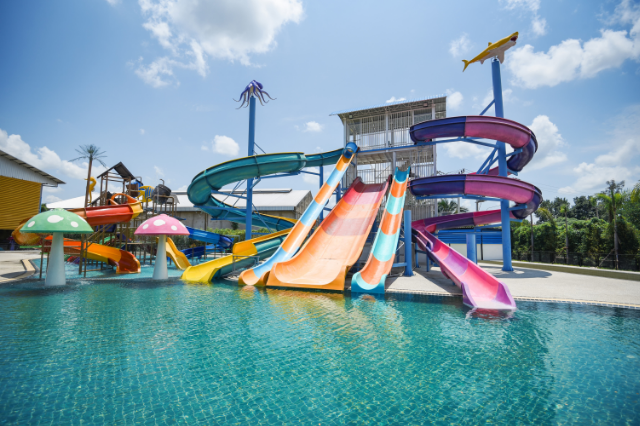
Georgia has numerous amusement parks that include wave pools and water slides. These features can be both thrilling and hazardous if operators do not enforce safety rules. Premises liability laws apply to these commercial operations, meaning owners may be held responsible for dangerous conditions.
When accidents occur in these more complex environments, the interplay of local regulations, maritime laws, or multi-jurisdictional ordinances may complicate a personal injury claim. Consulting a law firm familiar with diverse water-related accidents can clarify your legal options.
Insurance Coverage and Legal Liability

Insurance considerations often loom large in swimming pool accident cases. From determining whether an insurance policy applies to verifying coverage amounts, understanding how liability insurance and property insurance function can be the difference between a full recovery and significant out-of-pocket expenses.
Property Insurance vs. Liability Insurance
Property insurance typically covers damage to structures, while liability insurance addresses injuries sustained by guests or other third parties. Homeowners or commercial property owners often carry both. However, insurance carriers may challenge claims, allege policy exclusions, or shift blame onto the victim to avoid hefty payouts.
Police and Incident Reports
Whether your accident occurs at a hotel pool or a private swimming pool, contacting the police to document the event may help in establishing causation. An official report can also confirm crucial details such as witness statements, visible hazards, or the timing of the accident. This objective documentation can aid in negotiations with the insurer by offering neutral third-party verification.
Litigation vs. Settlement Evaluation
Deciding whether to settle or go to court is a process that requires careful evaluation of the strengths of your case and the insurer’s offer. If the defendant’s insurance company refuses to propose a settlement that aligns with your medical bills, lost wages, and other damages, a lawsuit may be your best option. An attorney will advise you on the likelihood of success at trial versus accepting a settlement that covers your losses.
Loss of Consortium and Pursuing Justice
Severe injuries not only affect victims physically and emotionally, they can also strain relationships. Loved ones may lose the benefits of support, companionship, and intimacy, commonly referred to as loss of consortium. In Georgia, the spouse of an injured individual can include a consortium claim in a lawsuit to address these specific harms.
Consortium and Family Impact
When a person faces paralysis, traumatic brain injury, or ongoing psychiatric trauma after a pool accident, family dynamics often shift dramatically. Day-to-day tasks, child-rearing duties, and emotional support responsibilities may fall disproportionately on the uninjured spouse or family members. This significant disruption forms part of the damages that may be recovered under a loss of consortium claim.
Fighting for Justice
Beyond the financial and practical burdens, many families experience a deep sense of injustice when a loved one’s avoidable accident was caused by negligence. Holding accountable parties responsible through legal action not only provides compensation for losses but can also encourage safer pool practices and stronger adherence to premises liability laws. By shining a light on negligent or unsafe conditions, you help protect others from similar harm.

Frequently Asked Questions (FAQ)

What should I do if I’m injured in a swimming pool accident?
Seek medical care right away, even if you believe your injuries are minor. Notify the property owner or manager of the incident and collect evidence such as photographs and witness information. Next, consult with an attorney to determine whether negligence or a breach of duty played a part in your injury.
Who is liable if a child is injured at a private pool?
Under the attractive nuisance doctrine, property owners have an increased duty to secure a private swimming pool from children who may not grasp the risk. Failure to have proper fencing, locked gates, and signage can render the homeowner liable, even if the child was technically trespassing.
What evidence is needed to prove negligence in a pool accident?
Key evidence often includes incident reports, witness statements, photographs of hazards, and any past violations of safety standards. Maintenance logs, repair records, and expert testimonies also play critical roles in establishing liability and causation.
Can I still file a claim if I was partially at fault?
Yes. Georgia’s modified comparative negligence law allows you to recover damages as long as you are found to be less than 50 percent at fault. Your compensation will be reduced by your percentage of fault.
How long do I have to file a lawsuit after a pool accident in Georgia?
Generally, you have two years from the date of injury to file a personal injury lawsuit or two years from the date of death in wrongful death cases. Certain exceptions may apply, so consult with an Atlanta Swimming Pool Accident Lawyer promptly to ensure you don’t miss any deadlines.
What if the accident happened at a neighbor’s house?
Accidents at a friend’s or neighbor’s pool might feel awkward to pursue, but homeowners’ or property insurance often covers such incidents. If negligence—such as poor pool maintenance or lack of safety features—caused your injury, you may be entitled to compensation.
Contact Us Today for a Free Consultation
At Conoscienti & Ledbetter, we understand that dealing with medical bills, insurance negotiations, and emotional distress can feel overwhelming. Our mission is to shoulder the legal burdens so you can focus on healing and regaining stability. When you work with us, you will have a team dedicated to investigating every facet of your case, from verifying local safety codes to examining how your injuries may affect you long-term. We invite you to call for a free consultation to explore your legal options and learn how our dedicated attorneys can champion your right to fair compensation. Don’t wait, let us help you start the path to recovery today.

Decatur Office
(404) 373-5800
315 W Ponce de Leon Ave. Suite 400 Decatur, GA 30030